
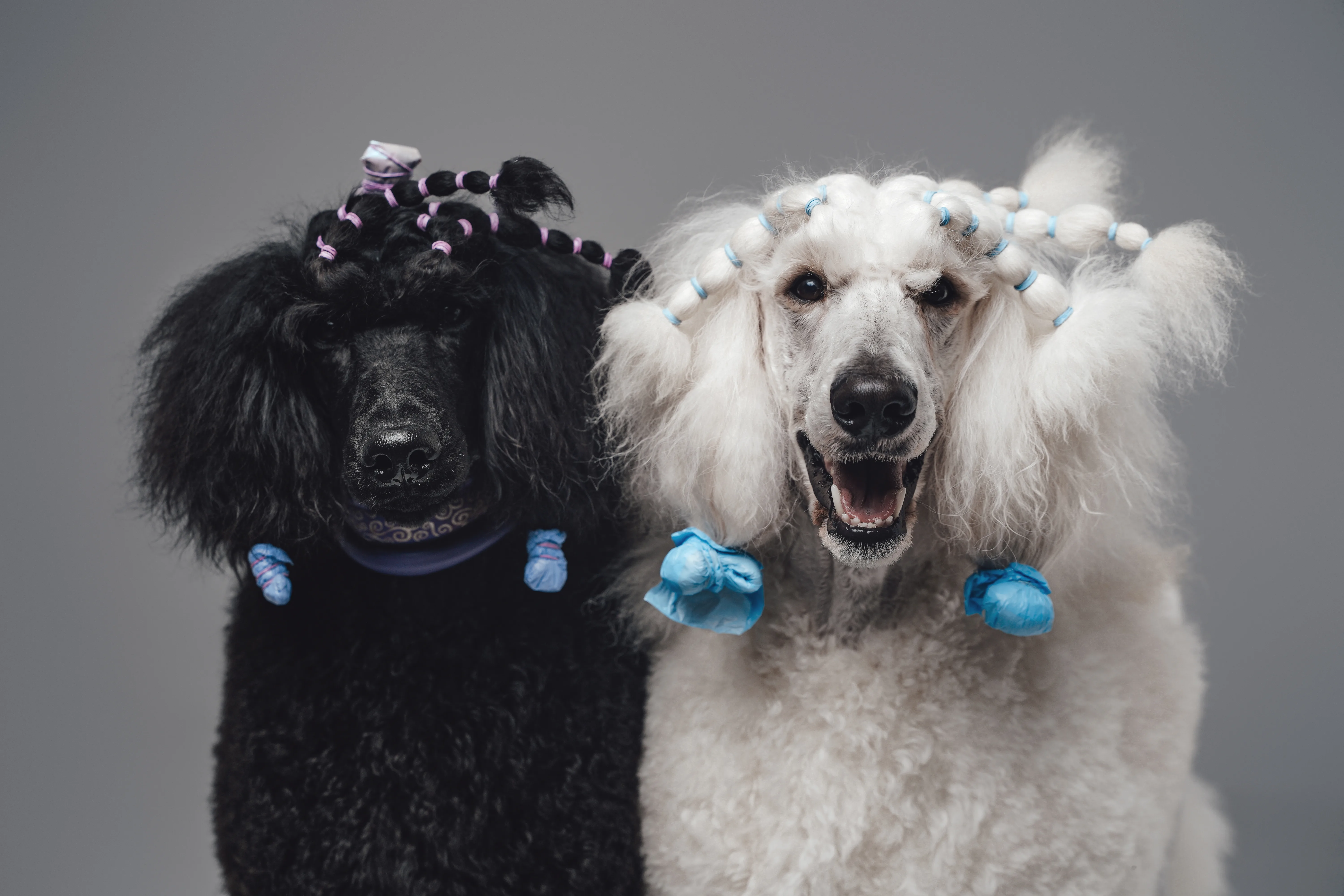
Dogs read routine faster than words. A clipped leash, running water, or a buzzing trimmer can change body posture within seconds. Many grooming problems start before the brush touches fur.
Home grooming works best when the environment stays calm and predictable. Owners who plan each step often see steadier breathing, fewer startle responses, and better long-term coat health.
Services like Bow Tie Mobile Pet Grooming follow these same principles while working at the home, which helps explain why preparation matters.
Build A Calm Grooming Space Before You Start
Dogs react to rooms long before they react to tools. Choose one location and keep it consistent across grooming sessions. A bathroom or laundry area with a closed door reduces sound travel and foot traffic.
Clear the floor and nearby counters so movement stays simple and readable. Place towels, brushes, and clippers within reach to avoid repeated bending or searching. Dogs notice those pauses and often tense when hands leave their view.
Lighting matters more than most owners expect. Soft, even lighting reduces shadows that trigger head turns or startle reactions. Avoid direct overhead glare that reflects off metal tools or white surfaces.
Temperature also shapes comfort. Lukewarm air helps muscles stay relaxed during brushing and bathing. Cold rooms increase shivering, which owners sometimes mistake for fear.
A steady setup sends one message. This place stays predictable. Over time, dogs begin to settle faster once they recognize the space.
Introduce Tools Slowly And Let The Dog Set The Pace
Many dogs fear grooming because tools appear without warning. Start by placing brushes or clippers on the floor during calm moments. Let the dog sniff, look, and walk away without pressure.
During early sessions, touch the dog briefly without using the tools. A brush can rest against the shoulder for a few seconds, then move away. This builds tolerance without forcing contact.
Sound exposure should happen in short bursts. Turn the clippers on several feet away, then off again after a few seconds. Repeat over multiple days before attempting a trim.
Watch body signals closely. Lip licking, pinned ears, and stiff tails suggest the pace is too fast. Pause and reset before stress compounds.
Veterinary behavior research from Texas A&M AgriLife Extension explains how gradual exposure lowers fear responses during routine care tasks.
Keep Sessions Short And End On A Neutral Note
Length causes more problems than technique. Most dogs handle five to ten minutes better than longer sessions. Stop before restlessness turns into resistance.
Break grooming into parts across the week. One day for brushing, another for nails, and another for bathing. This spacing keeps stress from stacking.
End each session with a calm activity. A short walk, quiet rest, or familiar mat helps reset the nervous system. Avoid high-energy play right after grooming.
If a dog becomes unsettled, stop rather than push through. Ending early builds trust, while forcing completion teaches avoidance next time.
Professional groomers use this approach daily because it protects both the dog and the handler. Consistency matters more than finishing every task in one sitting.

Match Grooming Tasks To Your Dog’s Physical Limits
Age, size, and mobility change how grooming feels for a dog. Puppies tire quickly and lose focus after short handling periods. Senior dogs may struggle with standing still or shifting weight during brushing or bathing.
Adjust posture and positioning before you start. Grooming on a non-slip mat reduces joint strain and prevents sudden slips. For larger dogs, raise the surface slightly so you are not pulling limbs into awkward angles.
Watch for subtle signs of discomfort. A dog that leans away, shifts feet repeatedly, or sits without prompting may be compensating for soreness. Pause and reset rather than pushing through.
Certain tasks deserve extra care. Nail trimming often causes tension because it restricts movement. Break it into pairs of paws across different days to reduce pressure.
Matching grooming steps to physical ability keeps stress from building. Comfort supports cooperation, and cooperation shortens future sessions.
Use Touch And Voice To Anchor The Dog During Care
Hands do more than hold tools. A steady palm on the shoulder or chest helps ground the dog during brushing or clipping. This contact should stay gentle and still.
Speak in a low, even voice without constant chatter. Repeating short phrases at the same volume creates familiarity. Sudden pitch changes raise alert levels quickly.
Avoid restraining unless safety requires it. Light guidance with the body works better than firm holds. Dogs relax when they feel choice within boundaries.
For anxious dogs, try grooming while seated on the floor. Being at the same height reduces perceived pressure and allows easier reading of signals.
Research from the University of California Davis School of Veterinary Medicine shows calm human behavior directly affects canine stress levels during handling.
Create Predictable Timing Around Meals And Rest
Timing affects tolerance more than many owners expect. Grooming right after meals can cause discomfort, especially during bathing or brushing around the abdomen. Waiting at least one hour helps prevent restlessness.
Energy level matters just as much. Dogs with excess energy struggle to stay still, while overtired dogs lose patience faster. A short walk before grooming helps settle muscles without causing fatigue.
Choose a consistent time of day. Dogs thrive on patterns and respond better when care happens at familiar hours. Evening sessions often work well because the household is quieter and movement slows.
Avoid grooming during peak noise periods. Doorbells, deliveries, and family traffic increase alertness and distract attention. Fewer interruptions mean fewer resets.
Predictable timing reduces anticipation stress. Over time, dogs recognize the rhythm and relax sooner when grooming begins.
Know When Home Grooming Reaches Its Limit
Some dogs struggle despite careful preparation. Puppies in fear periods, senior dogs with joint pain, and rescues with past trauma often need extra support.
Signs that home grooming may not be appropriate include repeated snapping, freezing, or heavy panting. These responses suggest stress beyond normal discomfort.
In these cases, a controlled one-on-one environment with trained handling can make a difference. Mobile grooming setups reduce travel stress and limit exposure to other animals.
Owners who understand these limits protect trust. Choosing the right support keeps grooming from becoming a long-term source of fear.
A Steady Routine Makes The Difference
Stress-free grooming depends less on products and more on preparation. Calm spaces, short sessions, and clear signals help dogs stay regulated. When owners respect limits and pace, grooming becomes another routine moment rather than a recurring battle.
